
If you’re lucky enough to find yourself on the north shore of Kauaʻi with a heart that beats for something more meaningful than a souvenir T-shirt, do yourself a favor: head inland from Hanalei until the road gets quiet and the chickens outnumber the cars. That’s where you’ll find Waipā, an ahupuaʻa, or traditional land division, nestled between the mountains and the sea. And if you’re really lucky, you’ll be walking that sacred land with Stacy Sproat.
Stacy isn’t a tour guide. She’s a steward. A cultural torchbearer. The executive director of the Waipā Foundation and, by all accounts, a force of nature. When she speaks, you lean in, not just because of her calm intensity, but because you can feel she’s not speaking at you. She’s speaking through time.
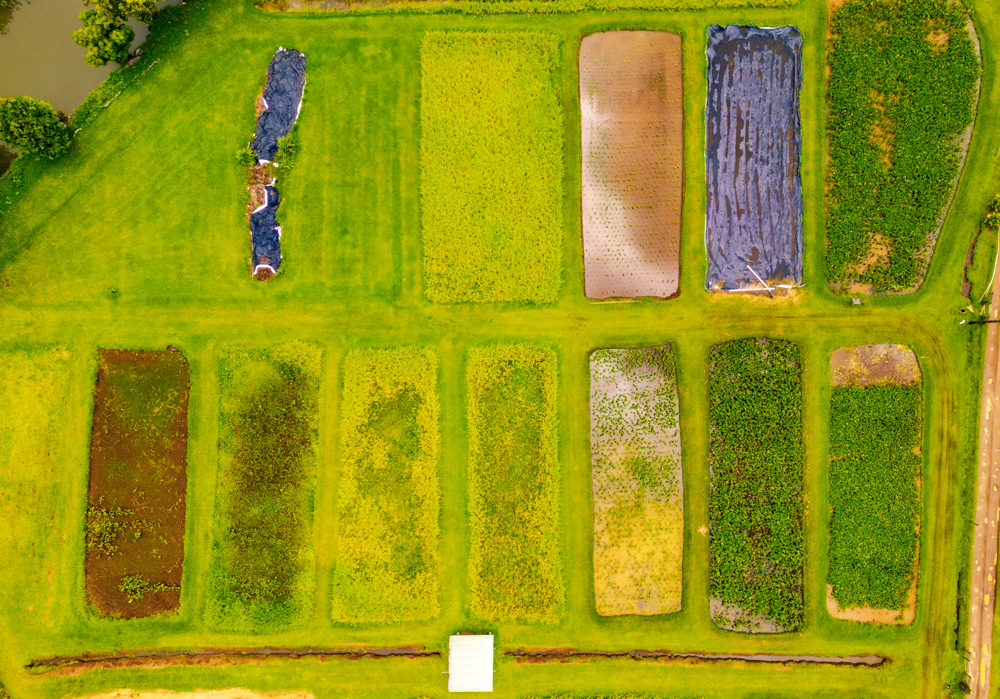
Waipā isn’t a re-creation of old Hawaiʻi, it is old Hawaiʻi, just still breathing. Still feeding people. Still telling stories. This 1,600-acre ahupuaʻa stretches from misty mountain streams down to Hanalei Bay, and for generations, it’s been a place where the Hawaiian relationship with land, water, and community is not only remembered but practiced.
“We’re not here to entertain,” Stacy tells us as we gather beneath a giant monkeypod tree. “We’re here to restore a way of life.”

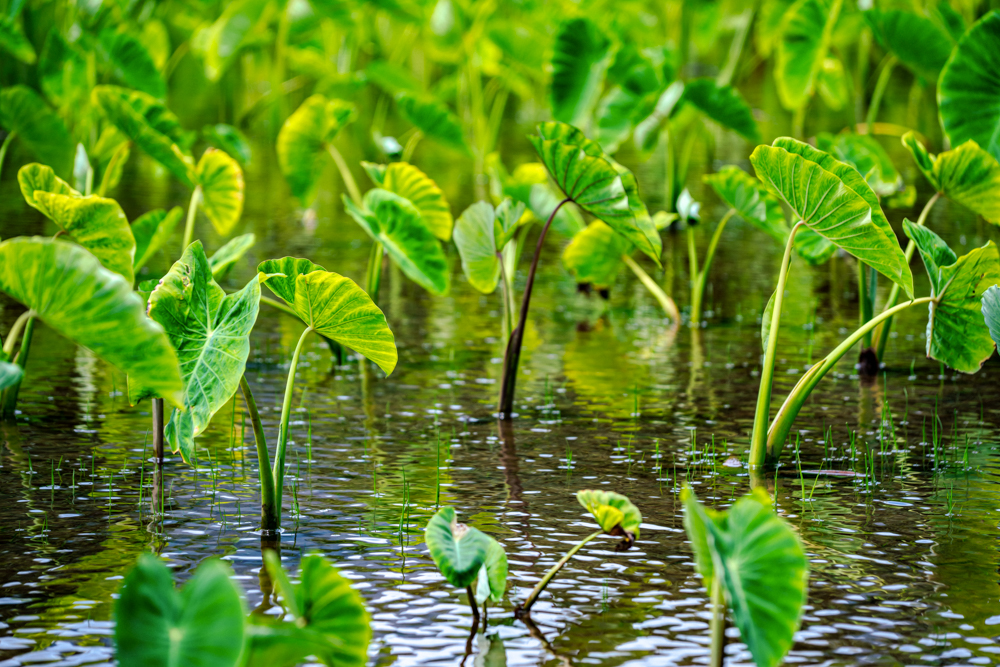
You don’t tour Waipā. You participate in it. You plant. You weed. You taste. You listen. You get mud between your toes and wisdom under your fingernails. On my visit, we helped harvest kalo (taro), the plant that isn’t just a food staple in Hawaiian culture but an ancestor. Literally. According to Hawaiian genealogy, Hāloa, the first kalo plant, was the elder brother of the first Hawaiian person. So when Stacy says, “feed the land, and the land feeds you,” it’s not poetic metaphor. It’s daily reality.
We walk through loʻi (taro patches), learn about traditional water management systems that would make modern engineers weep with envy, and hear how Waipā is rebuilding what colonialism nearly erased. The Waipā Foundation isn’t just teaching visitors, they’re training the next generation of farmers, cultural practitioners, and community leaders.



Stacy explains how they’re restoring native forests, revitalizing fishponds, and keeping kupuna (elders) involved in shaping the future. This isn’t a museum, it’s a movement.
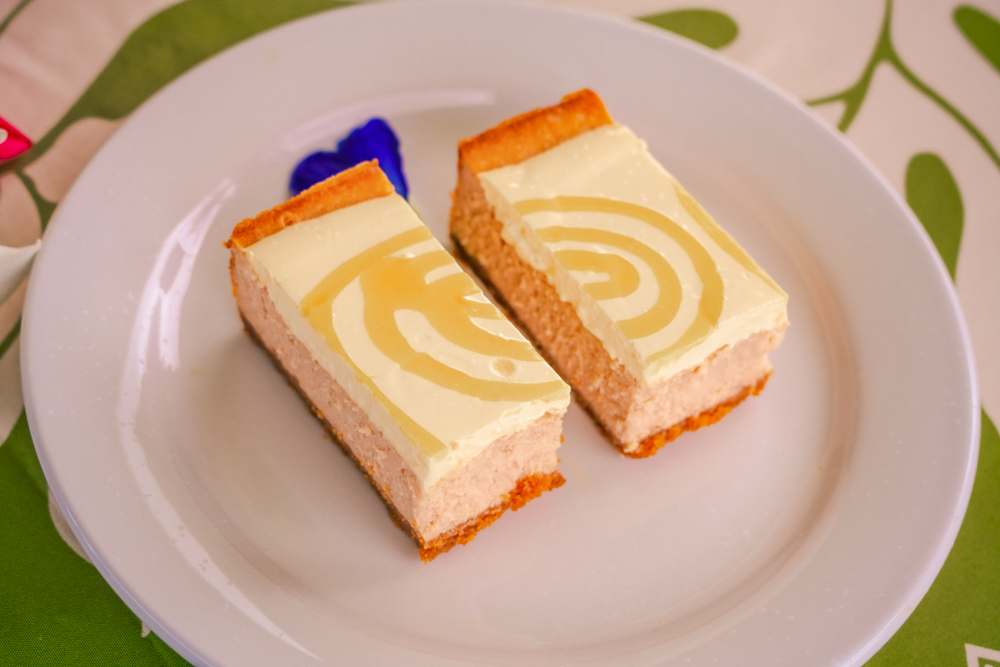
We gather for lunch under a hale built with traditional techniques. No plastic forks here, just fresh poi, grilled shrimp, and greens from the land we just helped tend. It’s one of the most delicious meals I’ve had in Hawaiʻi, expertly prepared with elevated culinary prowess by one of their volunteers, who also used to work in some of the world’s best kitchens. You taste the story of Hawaii in every bite, even in the decadent Kalo Cheesecake that would give Junior’s in Brooklyn a run for their money.
What Waipā offers is something truly precious: a return to truth. A reminder that Hawaiʻi isn’t just beaches and sunsets. It’s community. It’s stewardship. It’s reciprocal care. Before we eat, Stacy offers a simple chant of gratitude and we all share one thing we learned before clapping twice so the land hears our thanks. It’s simple, but beautiful.

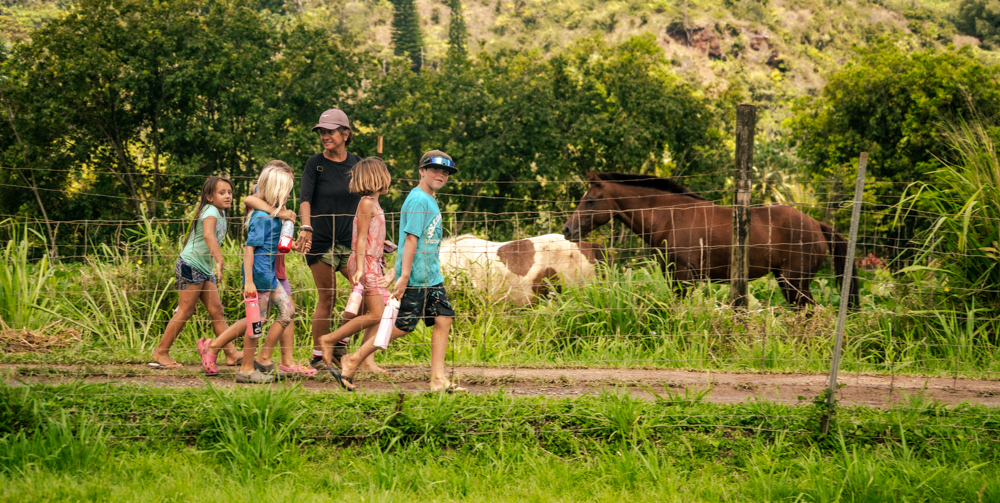


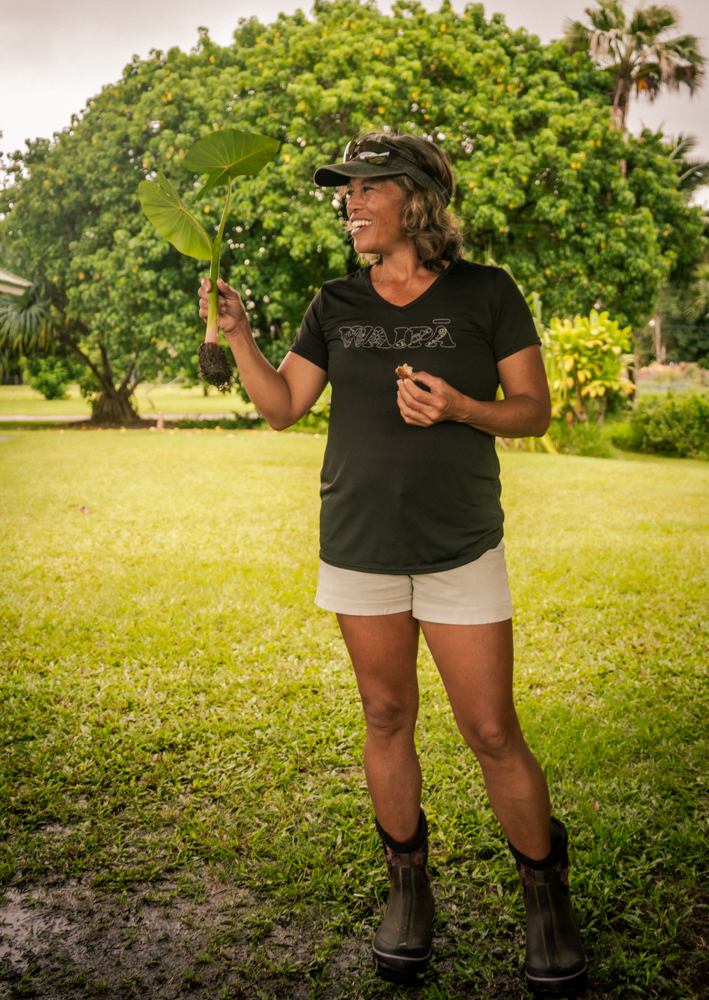


So if you’re headed to Kauaʻi and want to experience the real Hawaii, come to Waipā. Roll up your sleeves. Get muddy. Listen to Stacy. Because the future of Hawaiʻi isn’t being built in conference rooms, it’s being grown, one kalo leaf at a time, in places like this.
 The TravelClast