
I watched the 350 pound woman in the strained motorized chair struggle to reach her mai-tai atop the bar for a solid 3 minutes. I stared as her chubby little digits quivered furiously to make contact with the sweating, technicolored, syrupy drink that was just out of reach, not unlike the Grail chalice in Indiana Jones and the Last Crusade. “Indiana… let it go” I whispered under my breath. Suddenly the bartender, noticing the Thing-like disembodied hand clawing on his bar, slid the drink to her on a wave of “sorry’s” ending with “I didn’t see you down there honey!”
I did. I saw her down there. Way down there. We’re all down here in Waikiki, this beautiful horror show of what tourism can do to a destination. If David Lynch had a travel agency, these would be his unknowing clients. Waikiki to me is like Laughlin, Nevada, set in paradise, but with worse drivers. I’m fully aware why people flock here, hell, even doctors know why people smoke: it satisfies and itch. It’s the Hot Pocket of destinations, satisfying all the needs for a vacation quickly when authenticity isn’t of concern. This is the tragic state of modern tourism.
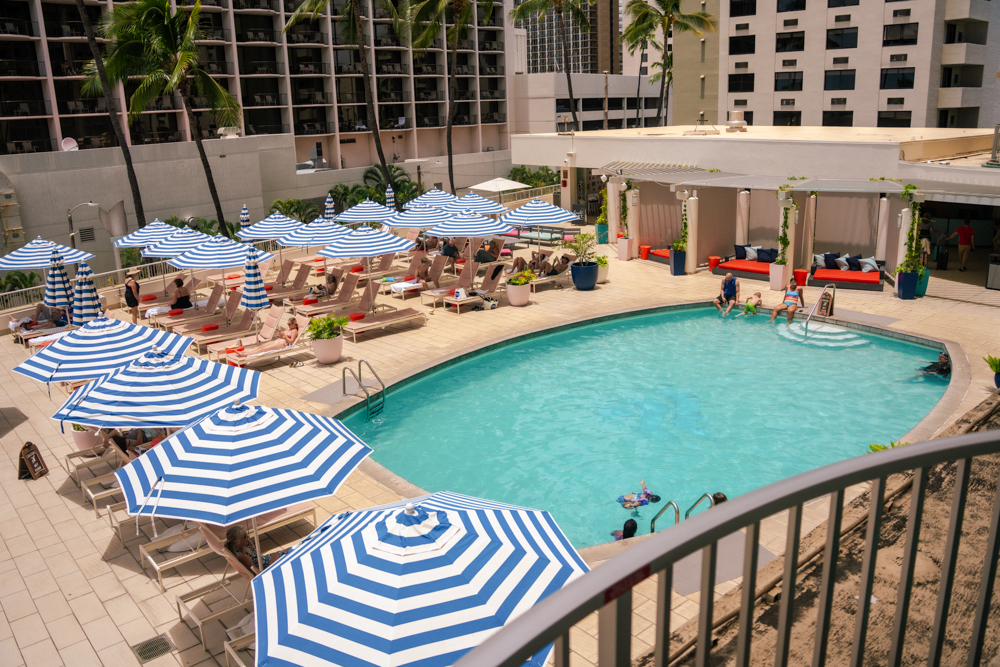
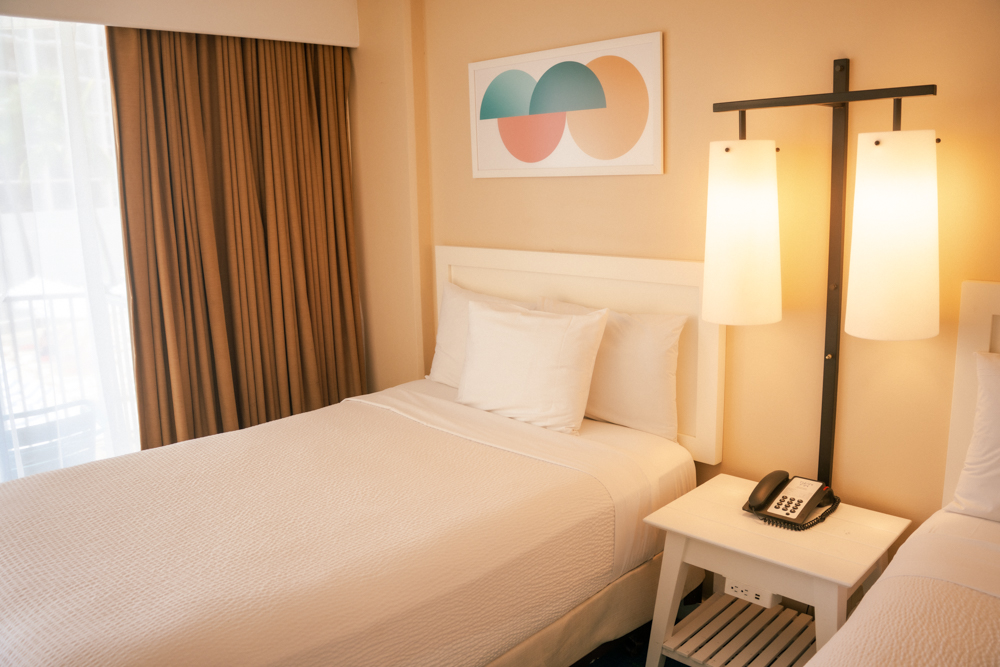
So why, a bespoke world traveler such as myself, would ever sully himself in such a cultural desert? For a rumor my good friends. Rumor of a hidden place where you can see the real Hawaii, not just how it was, but how it should be.
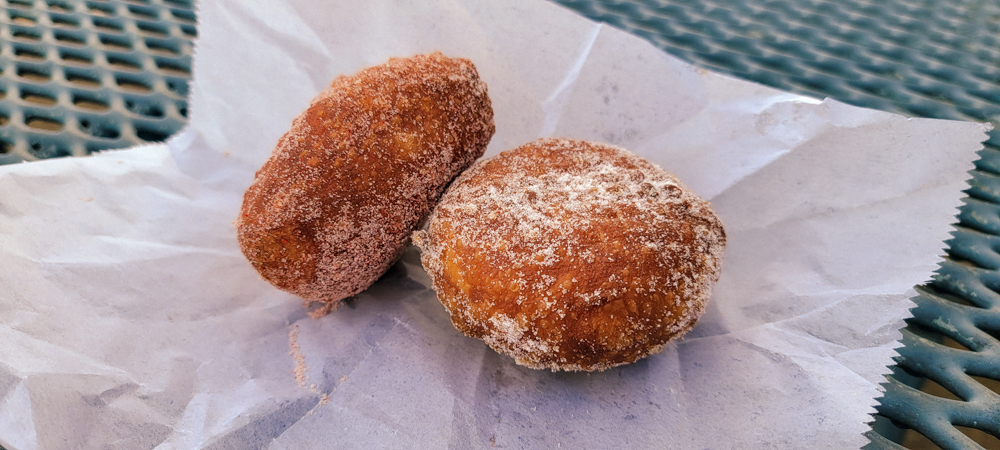
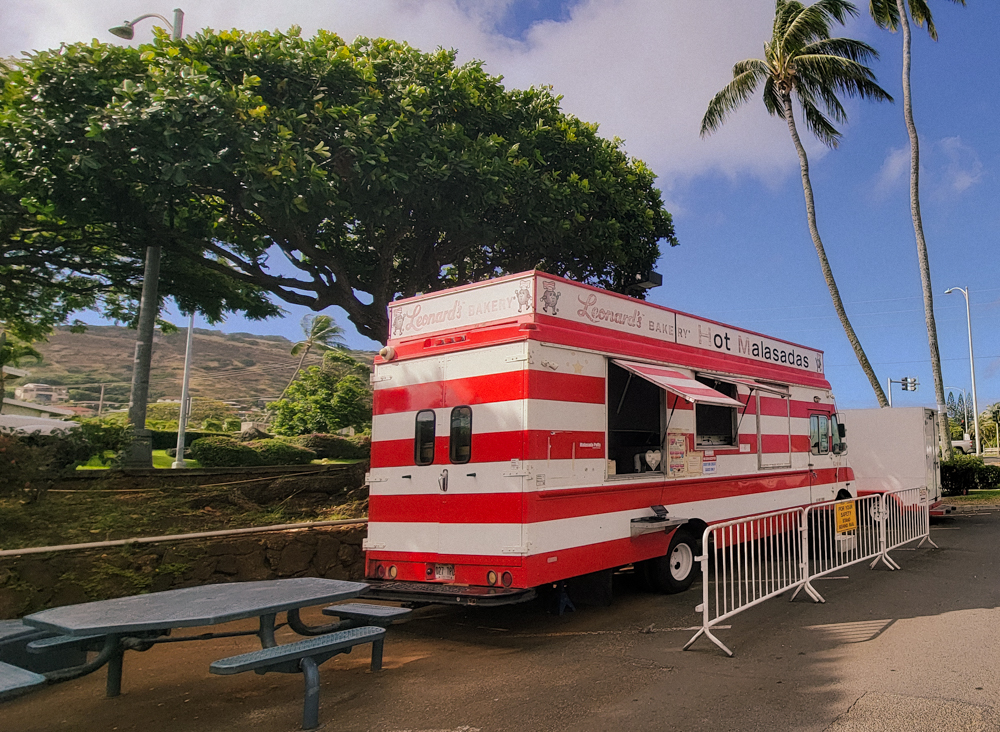
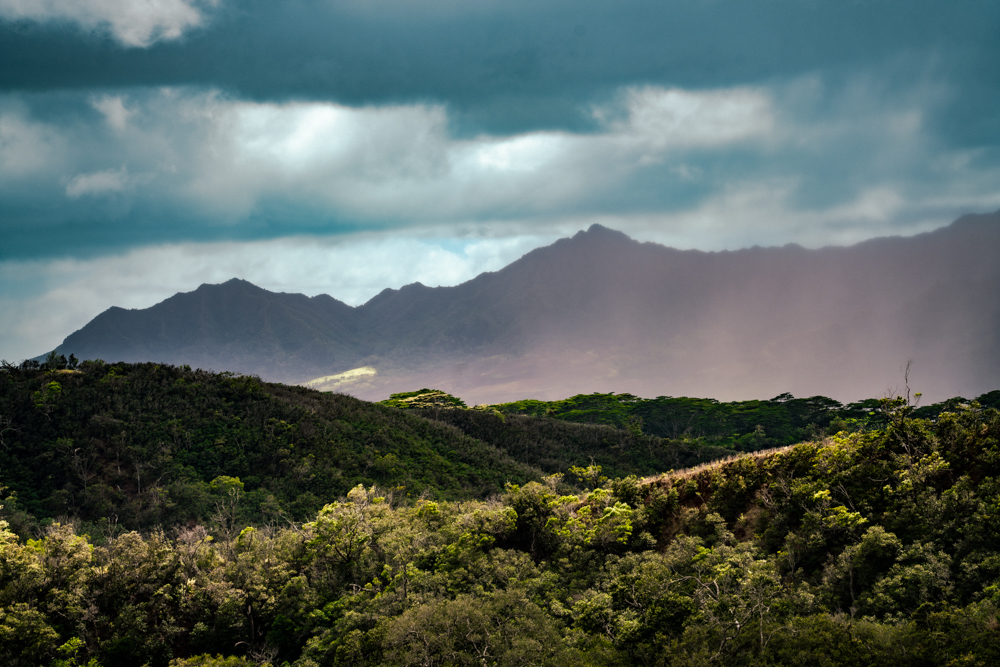
Flying down route 72, free from the high rises, overpriced ramen, and vacation club cronies, the island unfurls before me in all her beauty. I pound some garlic shrimp and fresh, hot, coconut cream filled malasadas from food trucks with the immediacy of administering antidote to a venomous bite. Immediately I am restored, the blue pacific on my right, the emerald green mountains on my left as I travel up the island’s skirt to my final destination: the infamous North Shore.
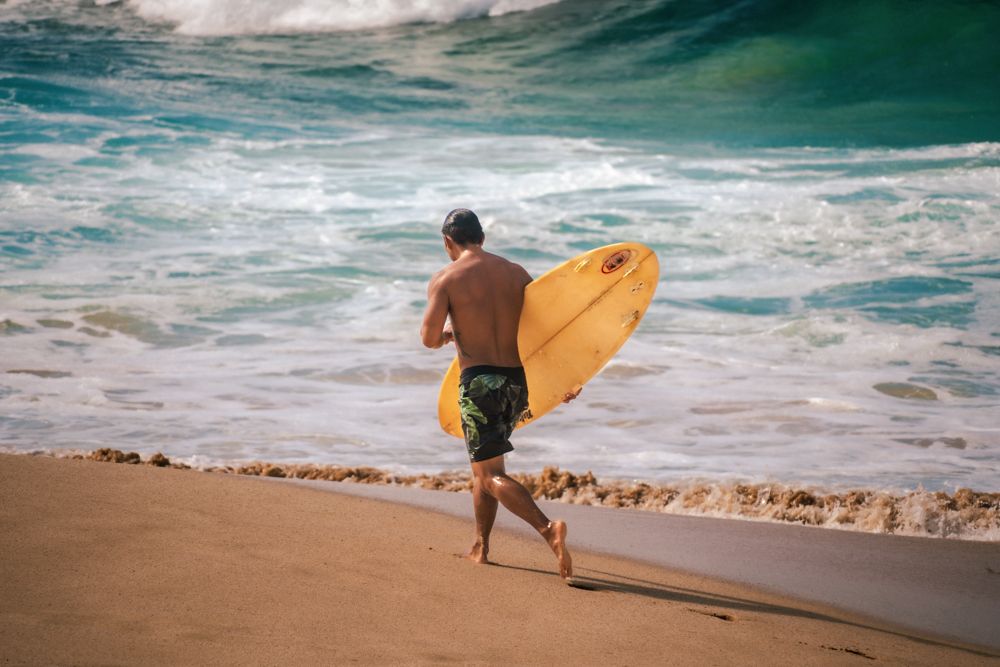
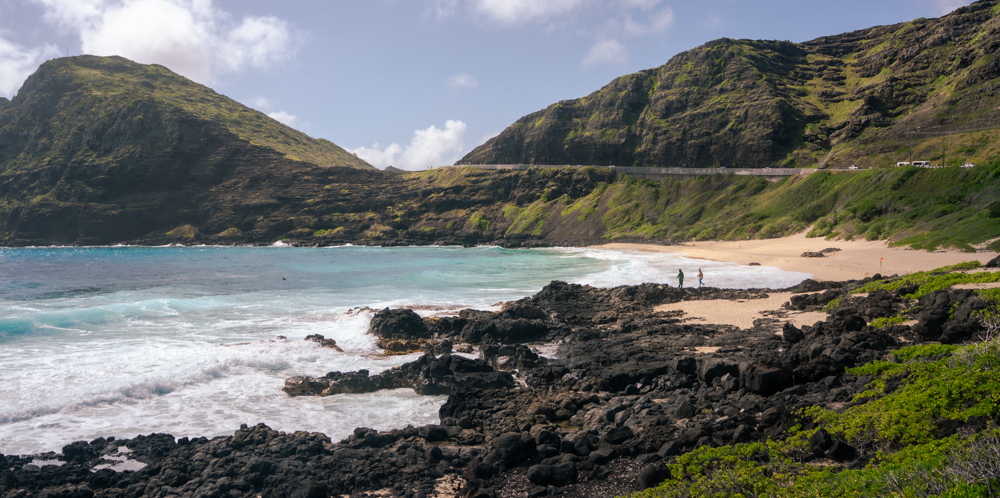
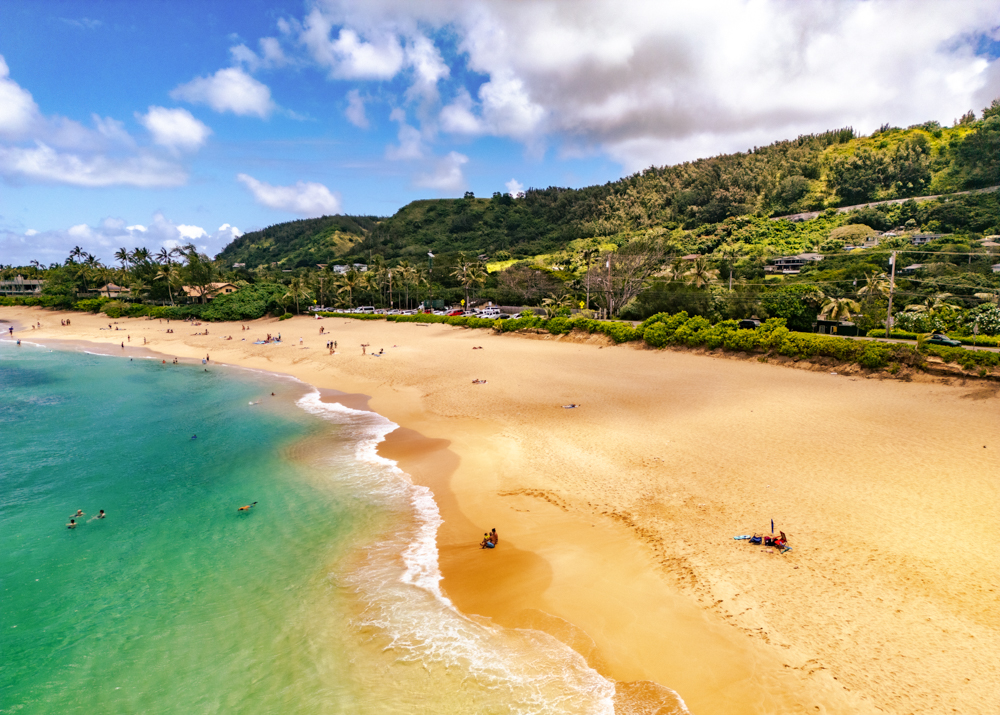
There are a million ways to rip around Oʻahu’s North Shore, surfboards, scooters, soft-top Jeeps with the doors off and Bluetooth speakers blasting reggae. But none of them come close to what Keola Ryan is doing. He’s not just offering an ATV tour. He’s offering a portal.
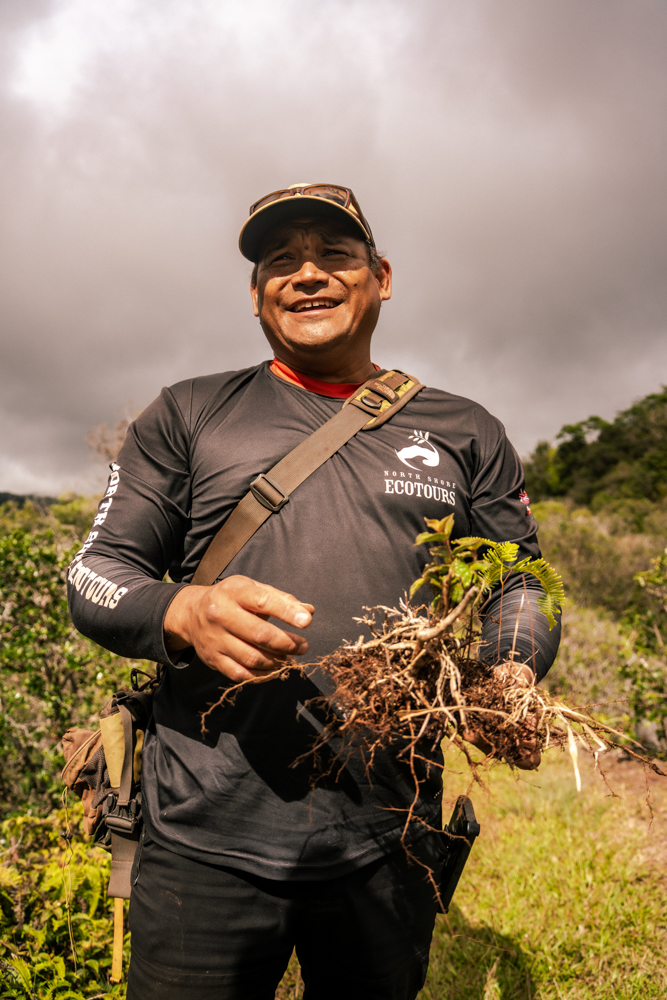
Keola is the founder of North Shore Eco Tours, and while he may hand you a helmet and lead you onto a rugged four-wheeler, don’t be fooled. What he’s really guiding is a deeper journey, one into the wild soul of Hawaiʻi. This isn’t your run-of-the-mill mud-slinging thrill ride. It’s a rolling classroom built on ʻike kupuna, or ancestral knowledge, and it might be the cure for TikTok-tourism.
“It’s just us today, which is good, we can do a bit of everything and get to really know the land.” music to my ears Keola. We mount our ATV, engines growling and rumble into the dense, dripping green. The trail cuts through bamboo forests, guava thickets, and ancient lava fields, climbing steadily until the coastline below becomes a shimmering postcard.
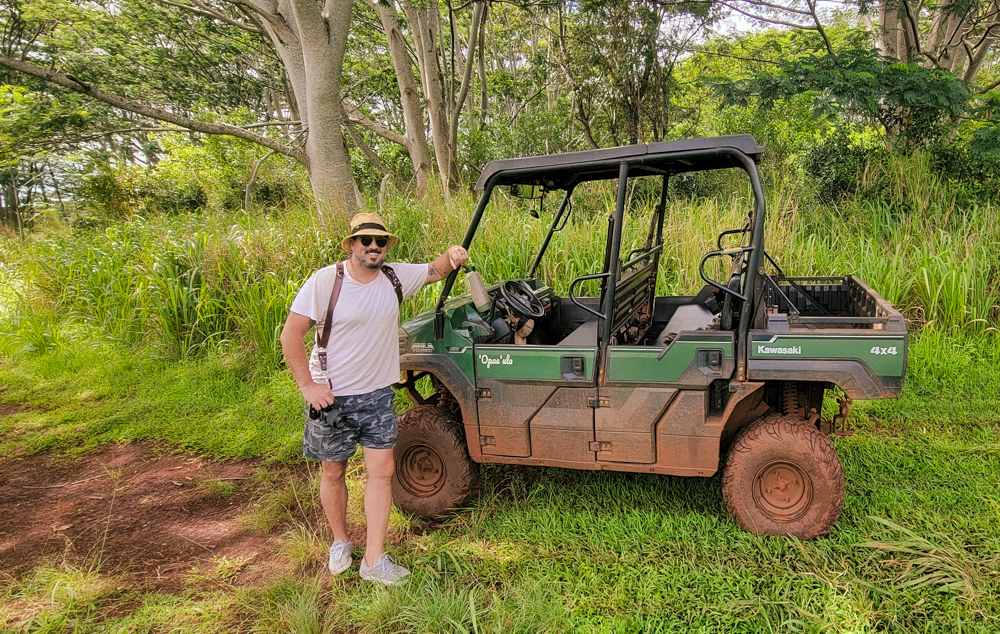
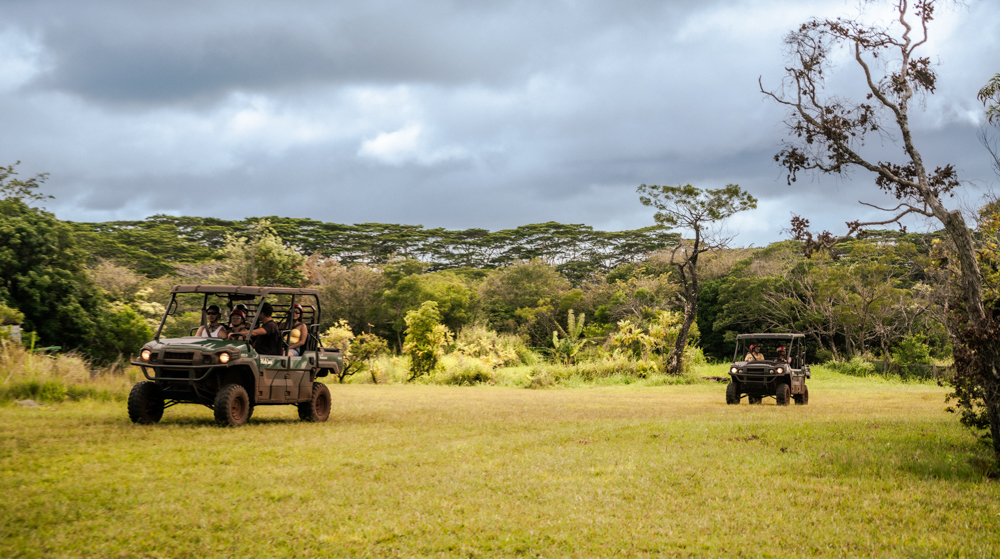
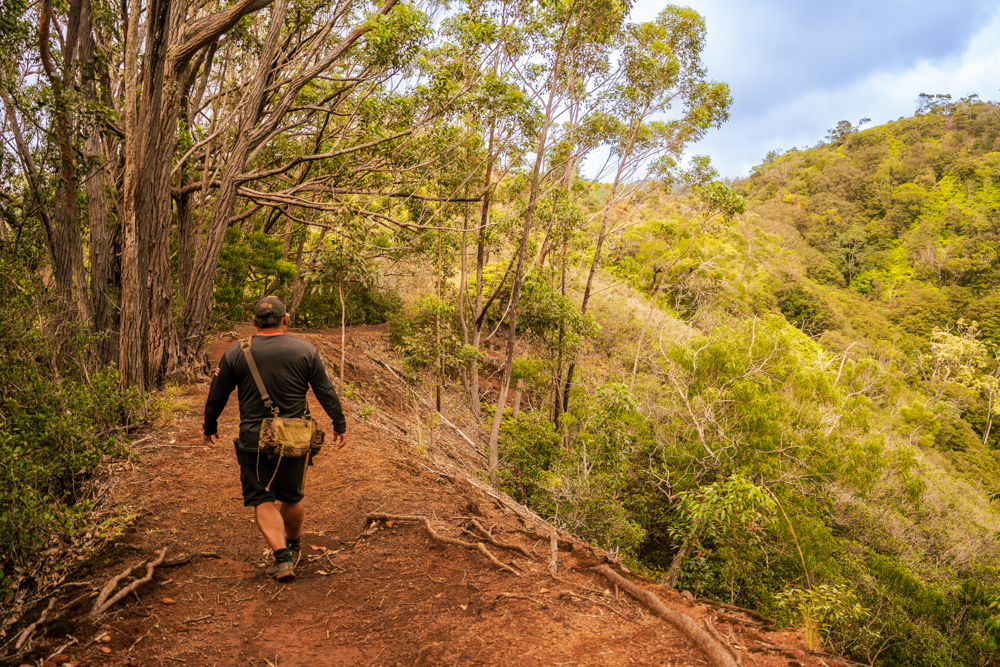
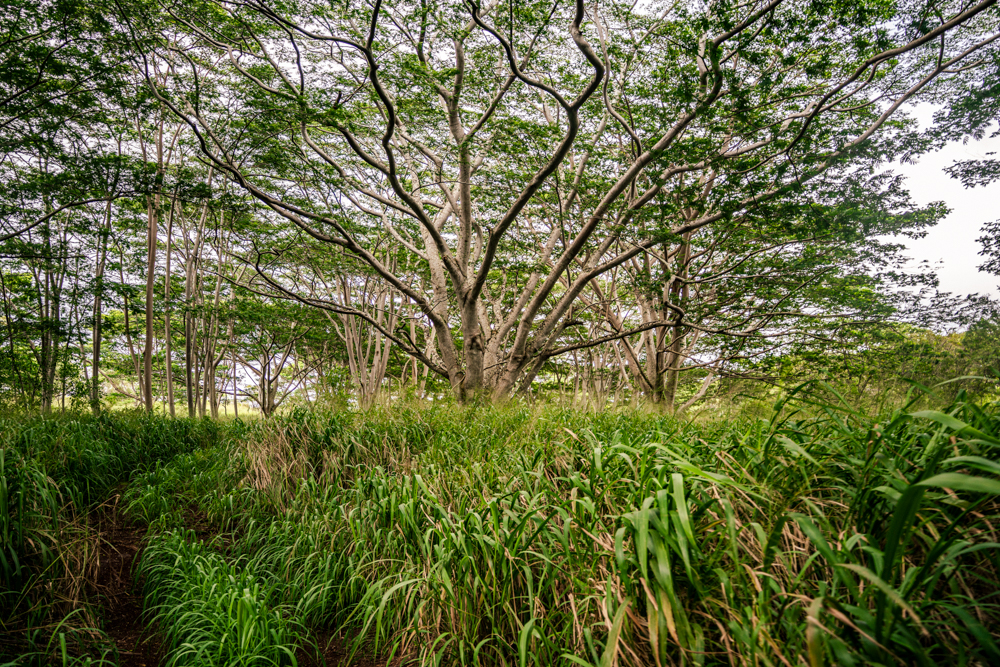
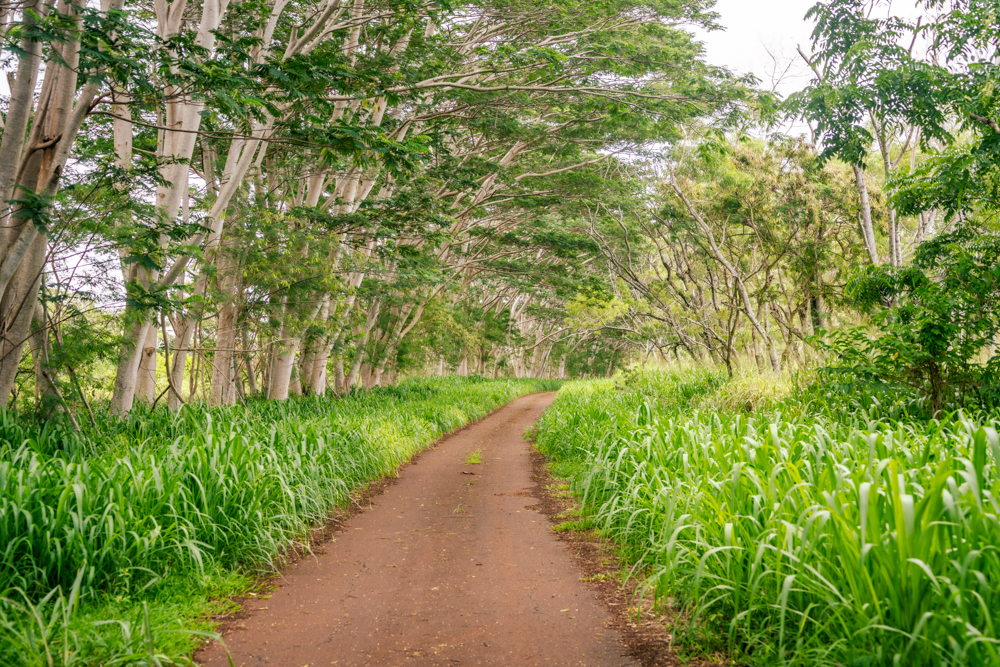
Every stop is a story. Keola pulls over beneath a lone kukui tree and explains how its oil once lit Hawaiian homes. The ahupuaʻa (land division) we traverse once fed entire communities, with water flowing from the mountain to the sea like a circulatory system. Fishponds, taro terraces, medicinal plants, which are all still here if you know where to look, which I can’t because we’re flying through a plateau of 6 foot tall guinea grass like we’re being chased through a cornfield by the cops.
“This grass was brought from Africa, originally to feed cattle. The cattle went and the grass stayed. A large part of our job is to trim it back, to give the native plants and trees a fighting chance to survive.” Keola explains with a bit of pain in his voice. He and his team are the custodians of 1,000 acres of private conservation land. It is his kuleana, or responsibility, to return this land to its original state, constantly fighting invasive plants like guinea grass and strawberry guava from choking out native plants, which ultimately choke out the link to their history and native culture.
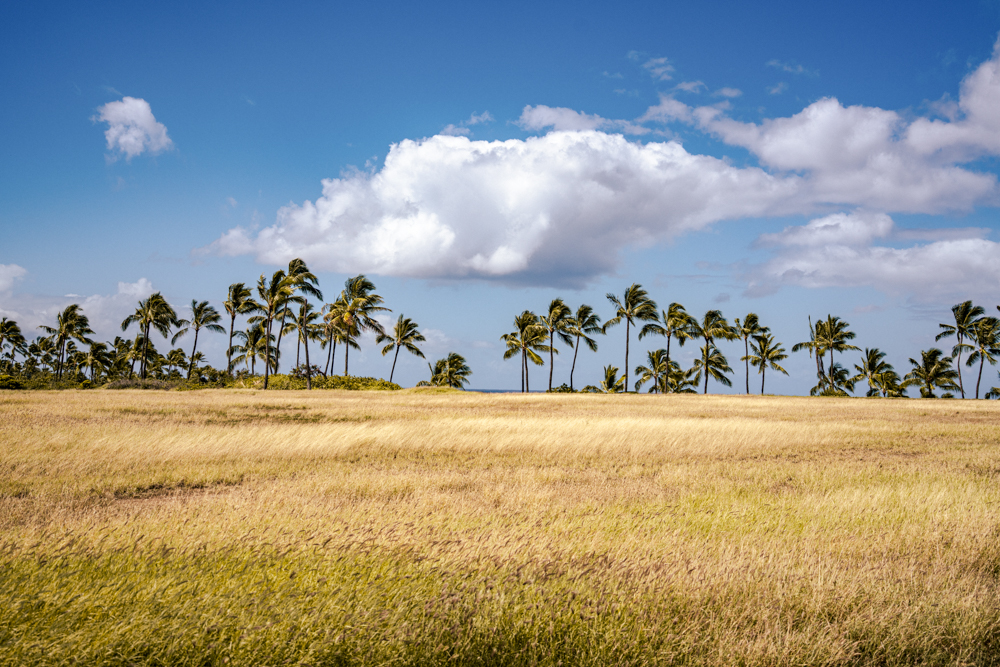
The ride is wild. We splash through riverbeds, fishtail around muddy bends, and climb ridgelines so steep they steal your breath. But the adrenaline is secondary. What lingers is the sense of unique connection that you simply can’t get anywhere else, where you understand the importance of the ‘āina, or land.
Back at base, we munch on some fruit we picked along the way and drink a cold beer digesting the immensity of the afternoon. “This ain’t Disneyland,” he says with a wink. “This is Hawaiʻi. The real Hawai’i, and when you’re here, you’ve got a job to do; listen, learn, and leave it better. The vacation you take with you after you leave, that’s your reward.”
North Shore Eco Tours doesn’t do mass tourism. Group sizes are small if not powerfully intimate. Guides are born and raised locally and every tour funds cultural preservation and land stewardship efforts, ensuring that what you experience today doesn’t vanish tomorrow. The message is clear, and the experience thrilling, something I’m always on the hunt for, and Keola keys in on this.
“There is another place I know,” K says with a nod and sip of his beer, “it’s next level, if you’re up for it. But…”
“But what?”
“But you gotta hop on a plane.”
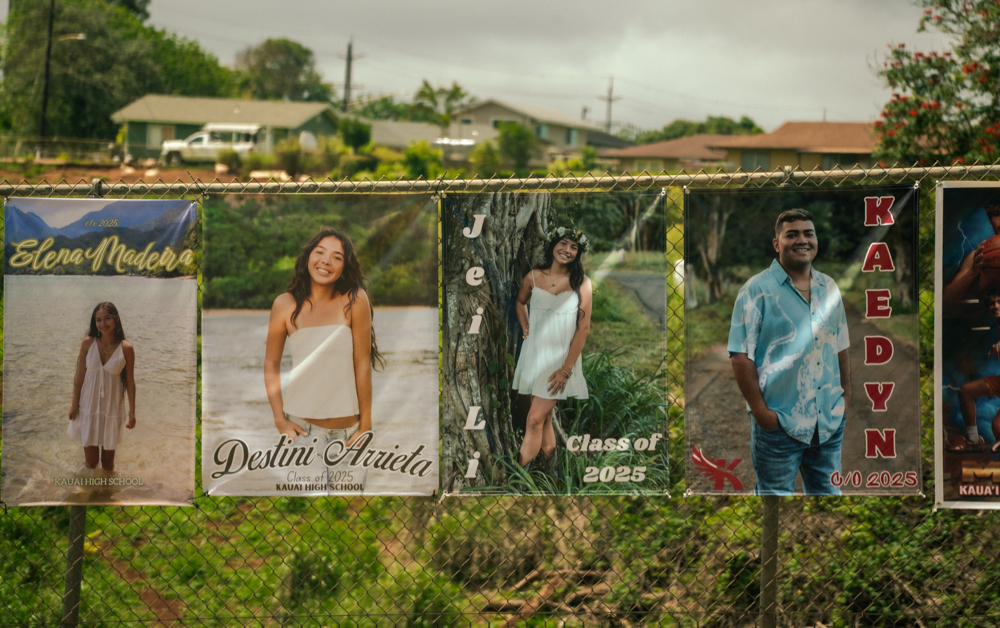
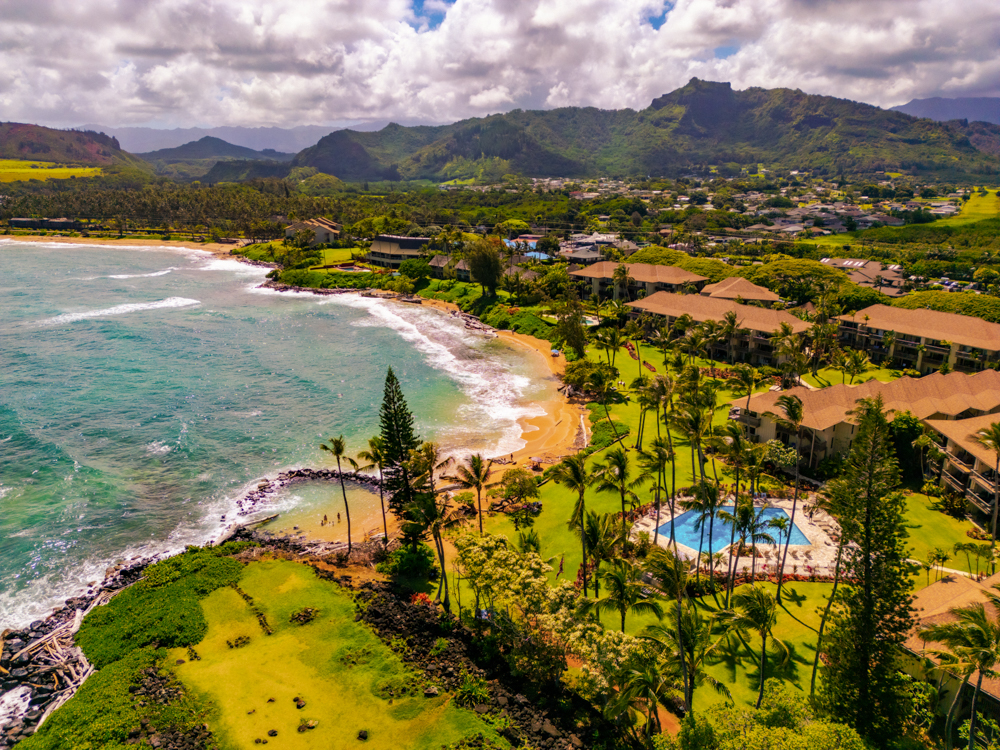
Before I know it I’m on Kauai, the oldest and perhaps most beautifully brutal of the Hawaiian island chain. I exit the adorable L’ihue airport which is like an open air bus station with planes, hop in my rental, and travel along the east coast to the Aston Islander resort on the beach. My room is lovely, although it feels like I’ve taken someone’s timeshare, which I think I have, given the fact there is a picture of a strange family on the wall that I do not know. Regardless, its balcony opens right to the beach and there is a lively pool bar, neither of which I have time to enjoy because I have a date with living history in Hanalei.
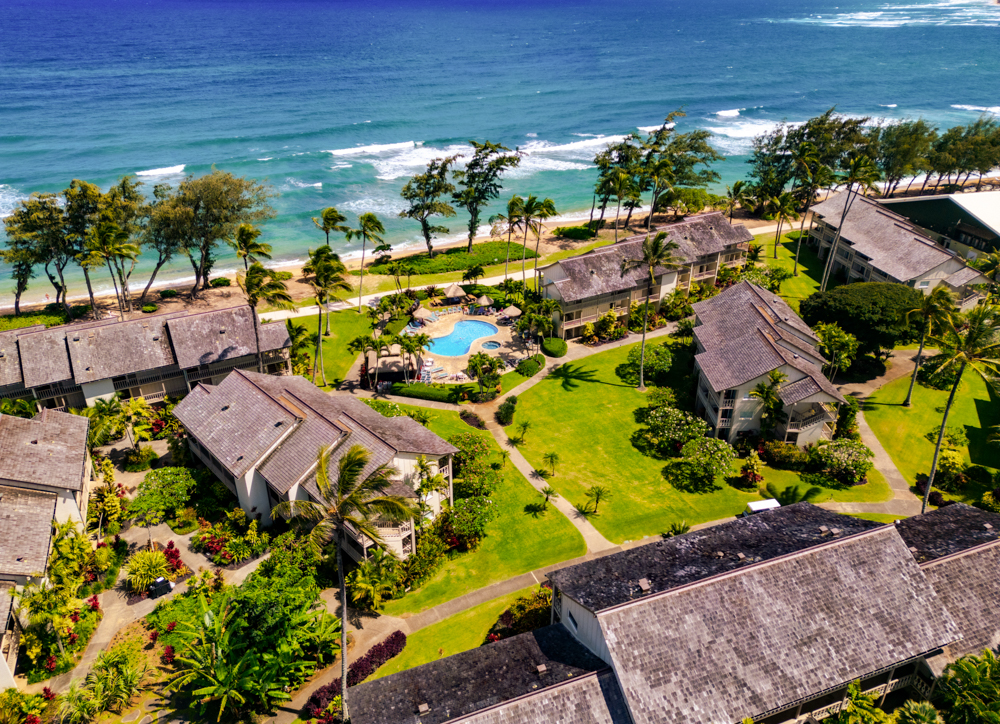
Pulling into the Waipa Foundation I didn’t know what to expect, only that I was expected to meet the Executive Director, Stacy Sproat. Instead I found a dozen or so people sitting together in the shade peeling vegetables while happily chatting away.
“Can I help you?” a young girl with the brightest smile I have ever seen appears out of nowhere. “Oh, yeah, Stacy is always a bit late. Have a seat, she’ll be here in no time I’m sure.” and she chugged off in her oversized wellies back to the group.
Stacy on cue pulls up in a green ATV and pops out holding a bunch of coconuts. “Sorry! I saw these and had such a time getting them down!” Stacy isn’t a tour guide. She’s a steward. A cultural torchbearer. A force of nature. When she speaks, you lean in, not just because of her calm intensity, but because you can feel she’s not speaking at you. She’s speaking through time.
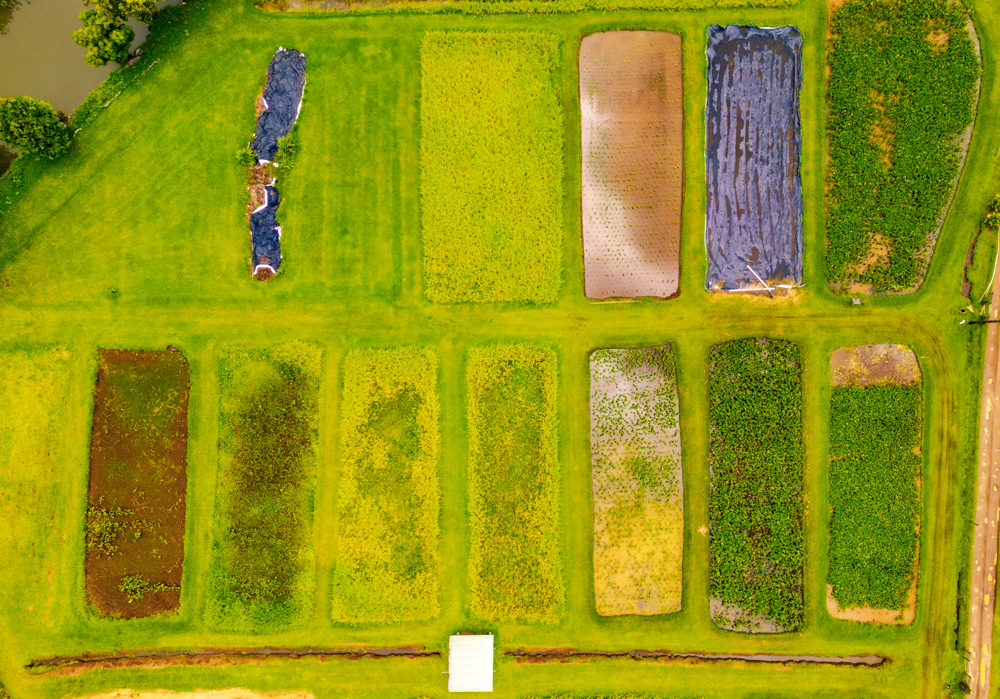
Waipā isn’t a re-creation of old Hawaiʻi, it is old Hawaiʻi, just still breathing. Still feeding people. Still telling stories. This 1,600-acre ahupuaʻa stretches from misty mountain streams down to Hanalei Bay, and for generations, it’s been a place where the Hawaiian relationship with land, water, and community is not only remembered but practiced.
“We’re not here to entertain,” Stacy tells me as we gather beneath a giant monkeypod tree. “We’re here to restore a way of life.”
You don’t tour Waipā. You participate in it. You plant. You weed. You taste. You listen. You get mud between your toes and wisdom under your fingernails. On my visit, we helped harvest kalo (taro), the plant that isn’t just a food staple in Hawaiian culture but an ancestor. Literally. According to Hawaiian genealogy, Hāloa, the first kalo plant, was the elder brother of the first Hawaiian person. So when Stacy says, “feed the land, and the land feeds you,” it’s not poetic metaphor, it’s daily reality.


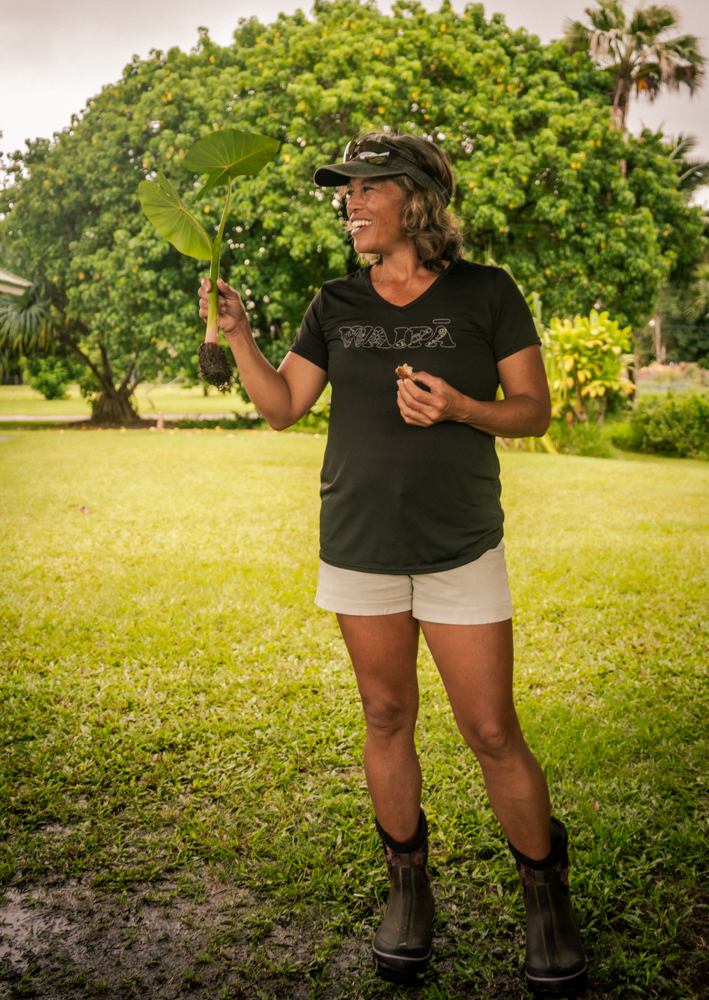


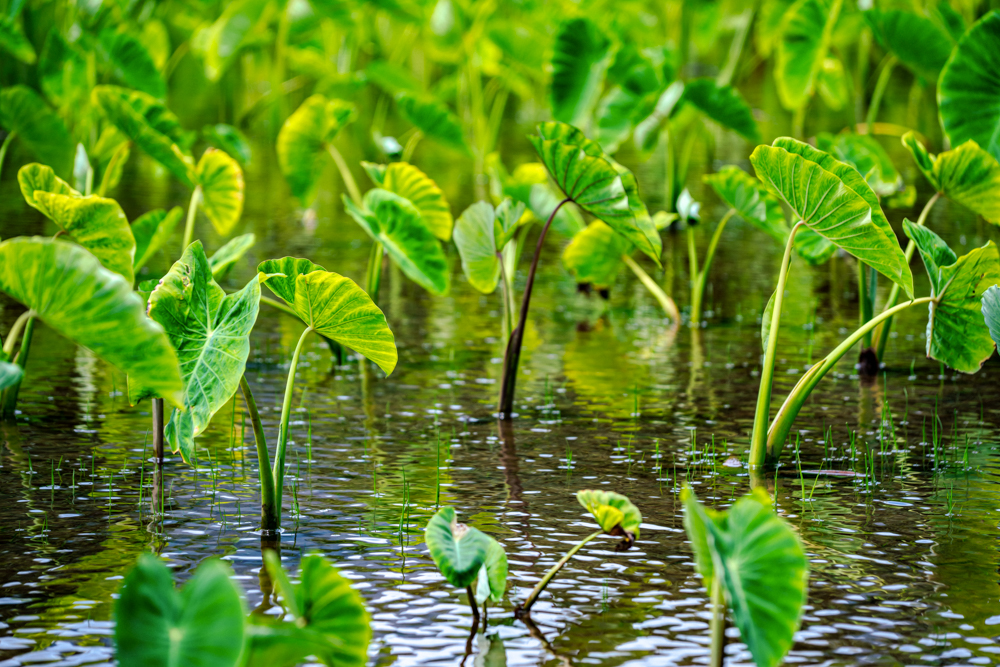
We walk through loʻi (taro patches), learn about traditional water management systems that would make modern engineers weep with envy, and hear how Waipā is rebuilding what colonialism nearly erased. The Waipā Foundation isn’t just teaching visitors, they’re training the next generation of farmers, cultural practitioners, and community leaders.
We then gather for lunch that was prepared by one of the volunteers, a young, bright kid that happened to be a chef back in the States. “Yeah, I just saw this place and I was like, yep, this is it for me. End of story.” Grilled shrimps, fern salads, curried patties, and a cascade of fresh fruits on a level that would make brunch in the West Village blush, all coming from the land we just tended to. Of course there is poi, three varieties of it, each more interesting and complex then the next.
“Hey-” the young girl with bright smile returns barking at Stacy, “I asked auntie if I could help make the poi-”
“I donno…” Stacy says with a drawn out smile.
“C’mon what’s the problem?” she retorts with a steadfast stance.
“Ok, if you want.” and she’s off. I look at Stacy with a crooked, slightly confused smile.
“My daughter.” Stacy pauses. “Poi is very special. Everyone that makes it, makes it differently. It’s made literally by hand, so the way you process it, pull it, even the Ph on your skin affects it. We can actually know who made which poi by its taste.” I nod. Stacy pauses again. “My daughter … She makes sour poi.” she laughs with a shrug. Here, you taste the story of Hawaii in every bite, even in the decadent Kalo Cheesecake that would give Junior’s in Brooklyn a run for their money.
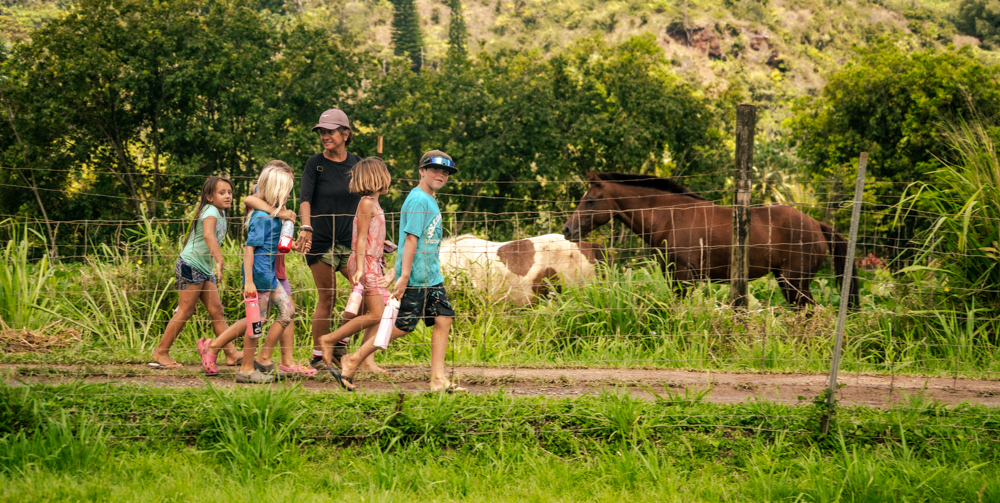


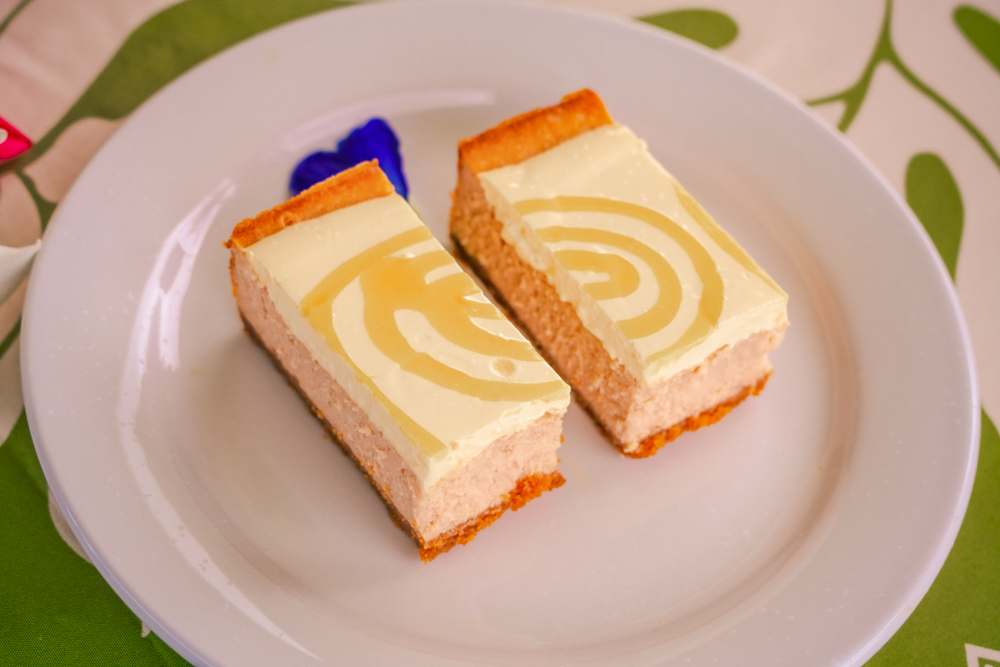

What Waipā offers is something truly precious: a return to truth. A reminder that Hawaiʻi isn’t just beaches and sunsets. It’s community. It’s stewardship. It’s reciprocal care. Before we eat, Stacy offers a simple chant of gratitude and we all share one thing we learned before clapping twice so the land hears our thanks. It’s simple, but beautiful, and the connection I long for when I travel.
Walking back to my car I strike up a convo with Kima, one of the many dedicated people that make Waipa happen. “I was living in France before this,” she says as we saunter across the wide meadow, “and I just discovered this place while visiting, then asked myself … why am I leaving? So I just stayed. Now this is home.” I get the feeling that many of the wonderful soul that call this place home have a similar story. If you ever have to ask yourself why you are leaving, perhaps you shouldn’t.
I invite Kima out to the Kalamaku Luau that evening which the tourist board wants me to check out. I ask her if she knows anything about it. “Well… given who I think you are… well, let’s just say the drinks are strong.” which I couldn’t tell was a comment on my travel ethos or my Hemingwayesque drinking habit.
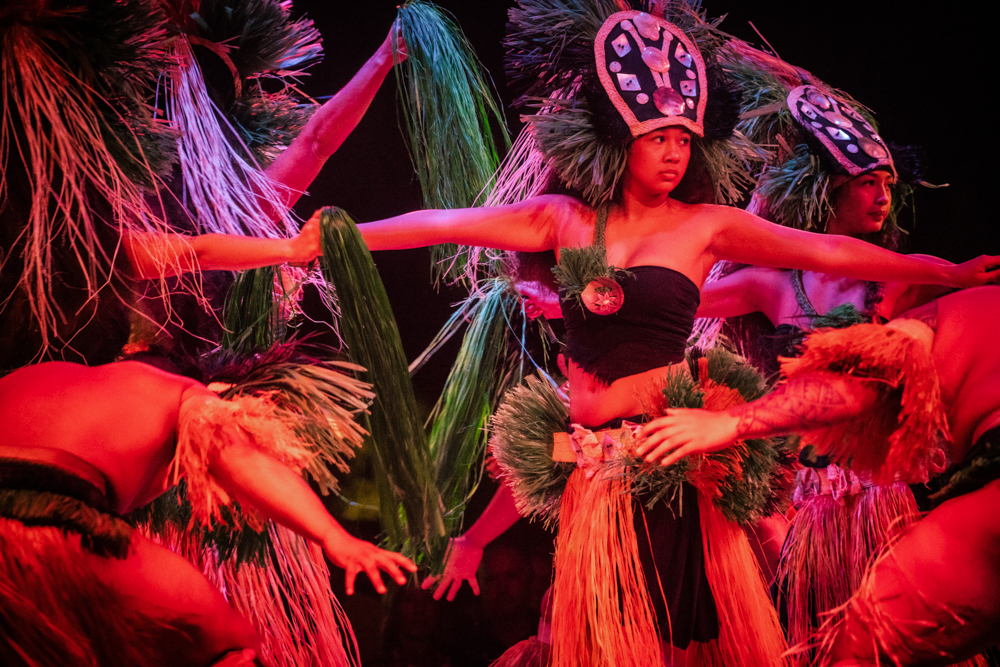
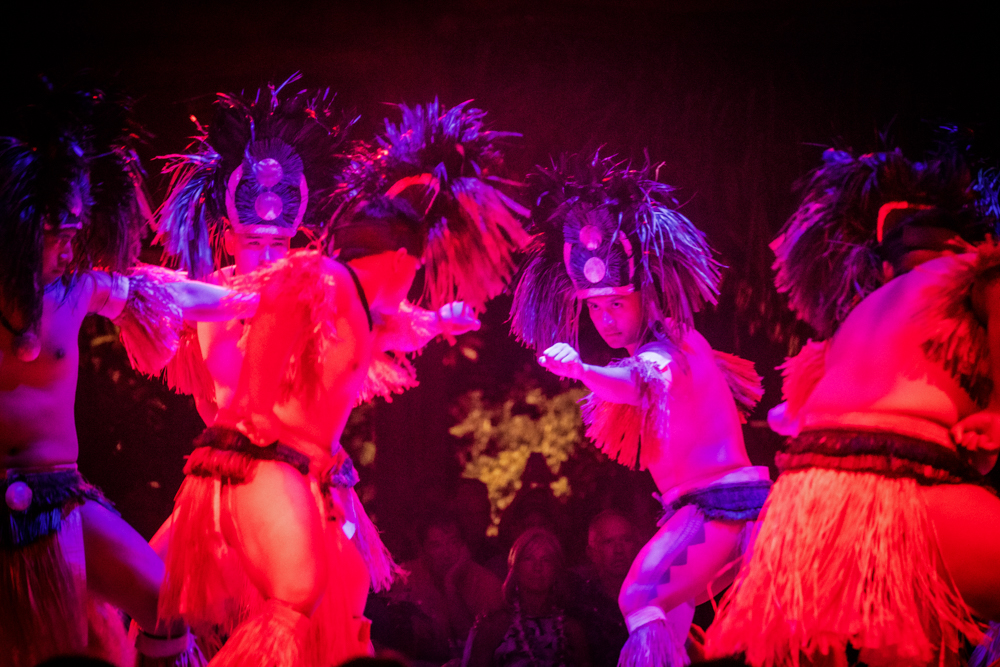
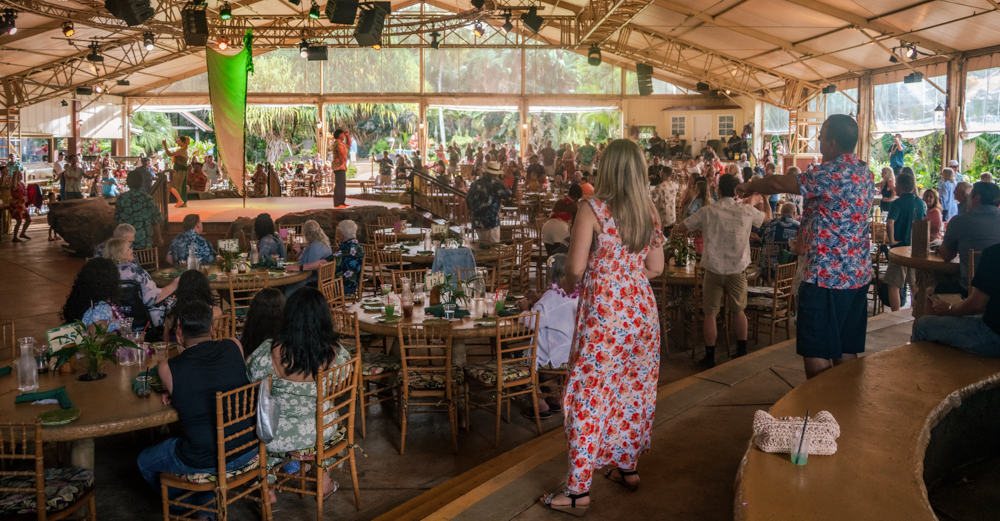
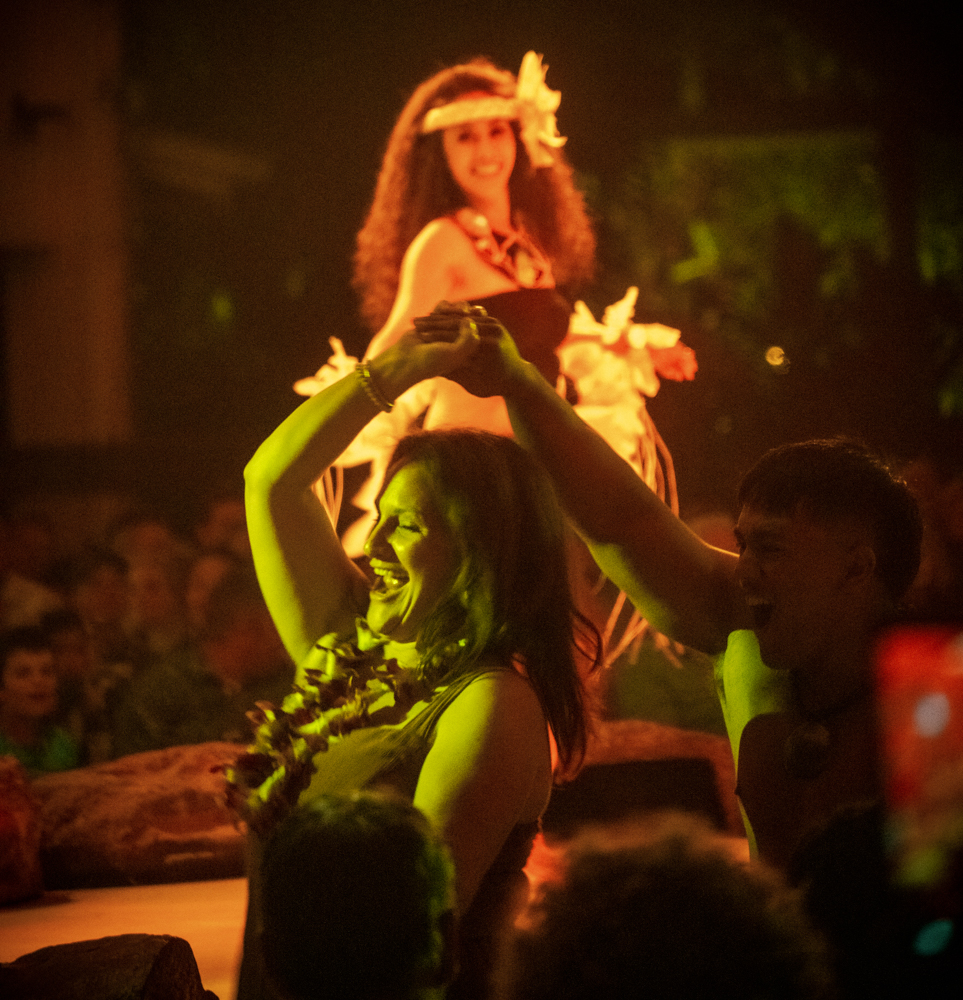
Kima wasn’t wrong. The drinks were strong, which I would say only makes the luau more magical. If you are after a classic Luau, well this is the granddaddy of them all. Held at a heritage plantation under a giant (and I mean giant) tent, you watch locals tell the story of their island through dance and music, all while drinking strong colorful drinks. About three mai-tais in, Kima and I look at each other and lock eyes. She casually whispers “follow me, I’ll show you what you want to ask me.”
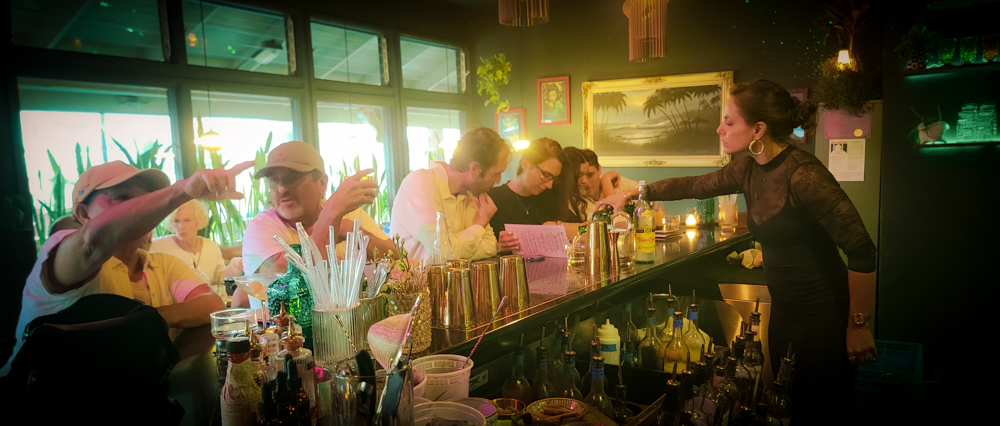
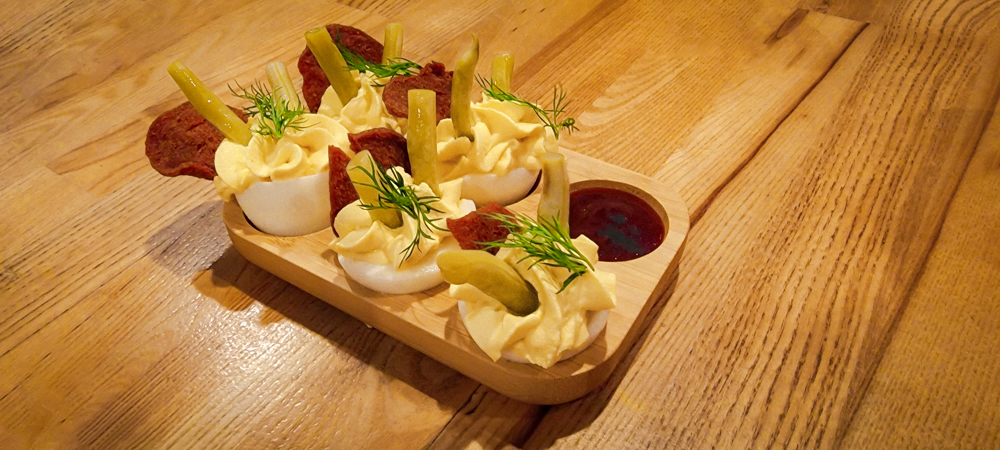
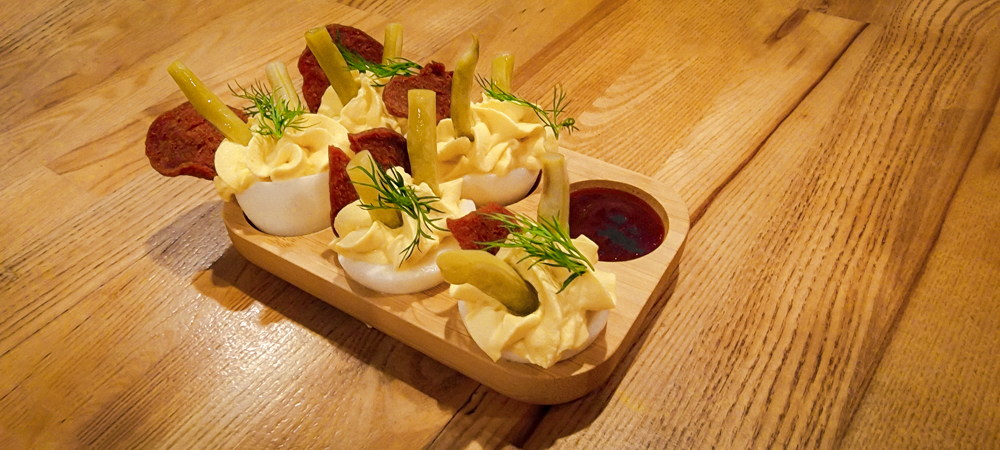
We climb in her dusty little car and fly down dirt roads and make it into town coming to a sliding stop behind Fish Bar Deli. Ducking inside we saddle up to the bar where two lovely women are slinging some of the best drinks and food I’ve ever had. “This is a special place, kind of a local joint, but modern. It’s the kind of mix that works” and I couldn’t agree more. Fresh Ahi Tuna salad sandwiches, dressed up local devil eggs, and again, insane cocktails that are not for the initiative. Kima tells me to leave room … the real pearl is upstairs.
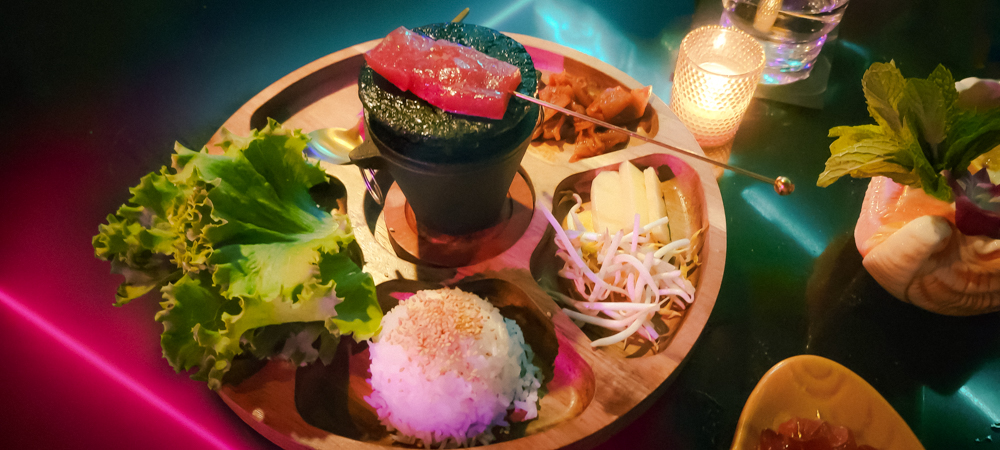
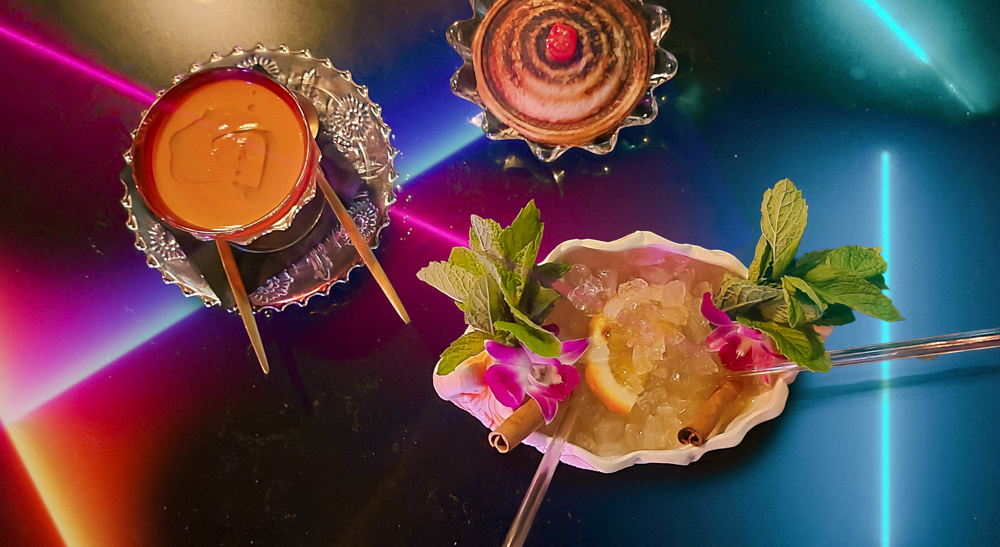
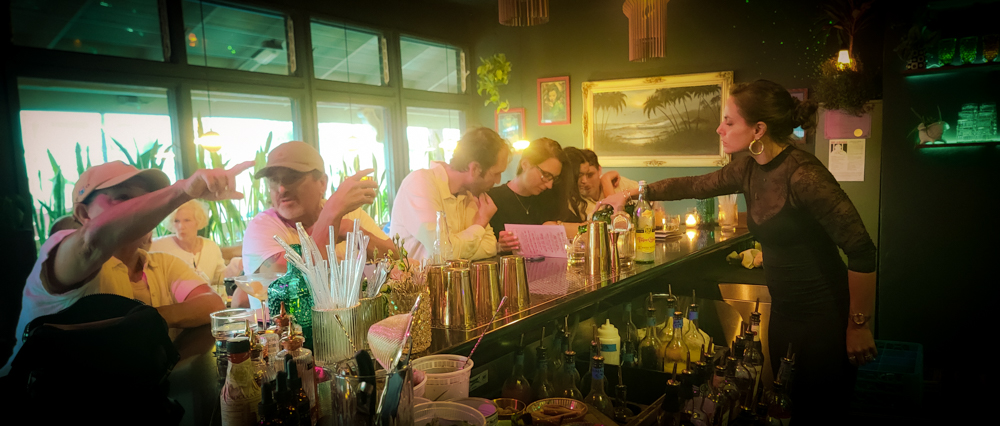
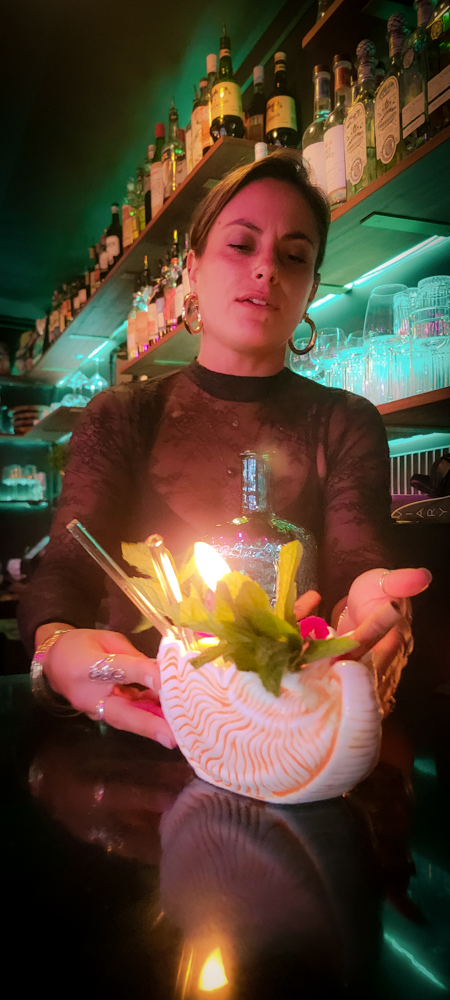
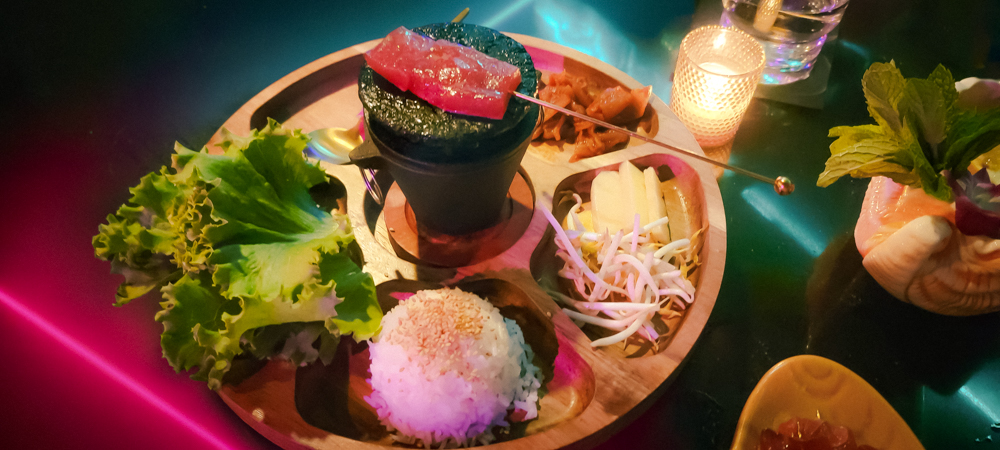
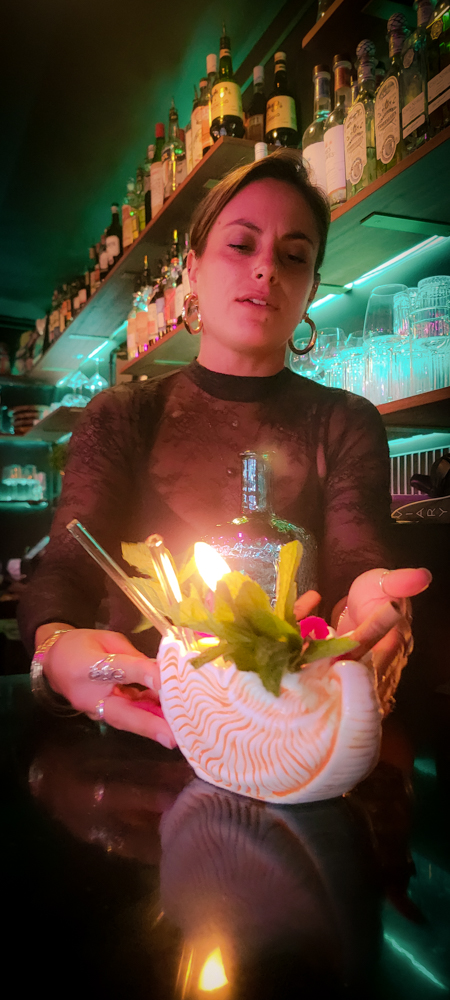
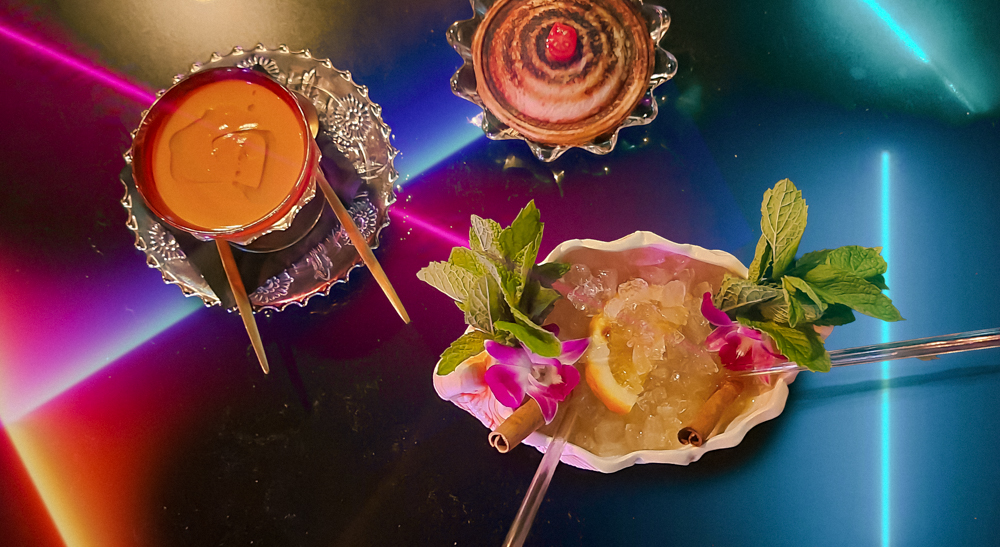
Climbing above Fish Bar in the rickety old wooden building we now slide into The Flying Saucer, which is a fresh take on a classic Tiki Bar. We get a flaming PuPu platter and of course two drinks that come on fire in giant anthropomorphized ceramic glasses. Bliss.
Once again Kima and I lock eyes. “Follow me, I’ll show you what you want to ask me.” she says with a smile as I pay the bill and hop back downstairs. We cross the street and file into Big Wave Dave’s; the dive of dives.
“Kima baby!” the bartender says with a big open arm.
“Auntie!” Kima says in return. Everyone in Hawaii is your aunt or uncle and it’s lovely.
Two frosted beers in bottles and sweating shots of tequila get served to us without asking. We sit at the bar and listen to stories of the locals that call this place home. Fish caught, kids not doing great in math class, funny stories about silly tourists, the government, nothing was off the table. It was like being at your family’s house over the holiday after a big meal when all the die-hards would hit up the local bar to see if Teddy still worked there. He does.
We stretch it into the late night when Kima and I lock eyes yet again. She smiles. “Follow me, I’ll show you what you want to ask me.” she says one last time and I do.
Now with a few of our bar mates in tow we bop back into the hillside on dark dirt roads. A minute or two later we come to a modest little house and park. Friends and family pile out of cars and we head to the back where a firepit glows like a beacon.
There sitting in a ratty beach chair with an exceptionally cold beer we chat, laugh and listen to music as the darkness starts to become light. Then, as if a silent cue, the group gets quiet as one by one stares off to the east watching the horizon glow brighter and brighter like a filament. Blackness yields to rich blues and pinks and there, the whole time, is the great Pacific, waiting to be seen. I easily reach for the last sip of my KBC and before sinking the bottle I stop to think that if my drink ever happens to be out of reach, then probably I shouldn’t be drinking it in.
 The TravelClast